

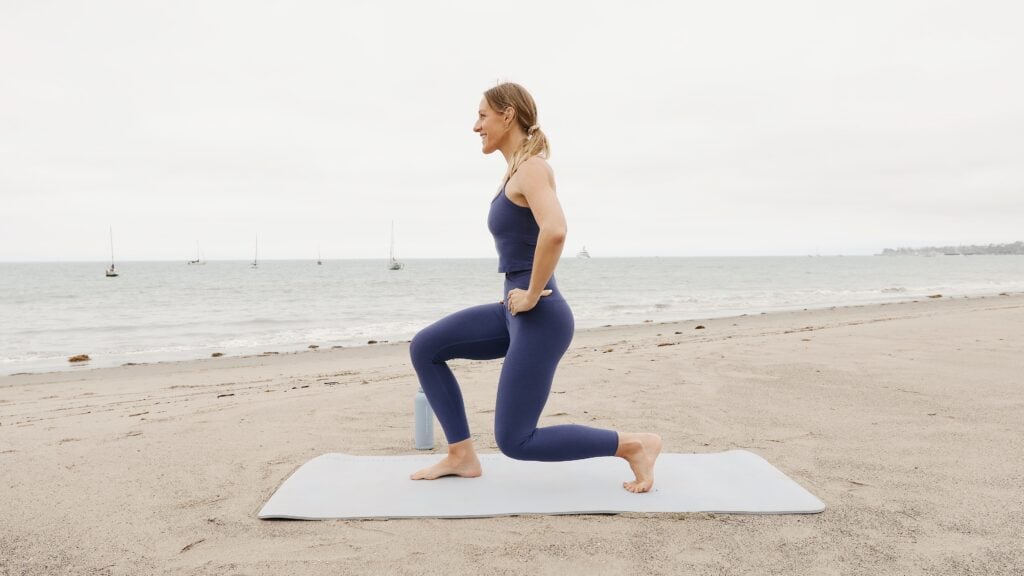
I’ve been insecure about my legs for as long as I can remember.
In fact, I spent years of my life avoiding shorts because I didn’t like the way my legs looked.
I even opened my book, Well to the Core, with a story about a moment when I was a little girl and someone pointed out that my legs looked bigger than my friends’.
It’s wild to me that I can still remember that moment so clearly 30+ years later..
From that moment on, I started carrying around this idea that smaller legs = better legs.
I know I’m not the only woman who grew up absorbing messages like this.
We were taught to shrink our thighs. Make them look longer and leaner. Avoid anything that might make them bigger.
But here I am in my 40’s thinking about my legs in an entirely different way.
I don’t want smaller legs anymore.
I want strong legs.
Legs that help me travel, hike, carry things, get up off the floor, stay active with my kids and keep doing all the things I love for decades to come.
I recently learned something fascinating that gave me an entirely new appreciation for building lower-body strength:
Strong legs may even be connected to a healthier brain as we age.
One study followed 324 female twins for 10 years. The women were an average age of 55 when the study began.
Researchers measured their leg power and then tracked changes in their cognitive function over the following decade.
And they found something pretty remarkable:
Greater leg power at the beginning of the study predicted healthier cognitive aging 10 years later.
It was also associated with differences in brain structure, including more gray matter.
This doesn’t mean doing squats will guarantee that you’ll never develop dementia or Alzheimer’s. There are many factors that affect brain health.
But when I look at this study alongside the larger body of research on muscle and cognitive health, it gives me one more reason to care about building and maintaining muscle as we get older.
If you want to build stronger legs, you don’t need to overhaul your routine or spend hours in a gym.
You just need to consistently give your muscles opportunities to work and we have plenty of ways to do that right inside the Lindywell app.
Here are a few workouts I’d recommend starting with:
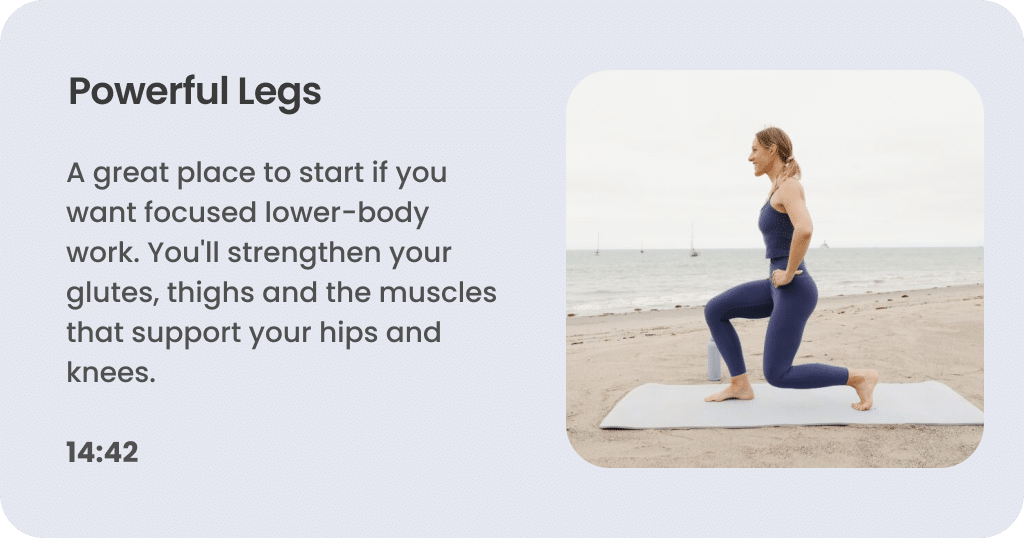
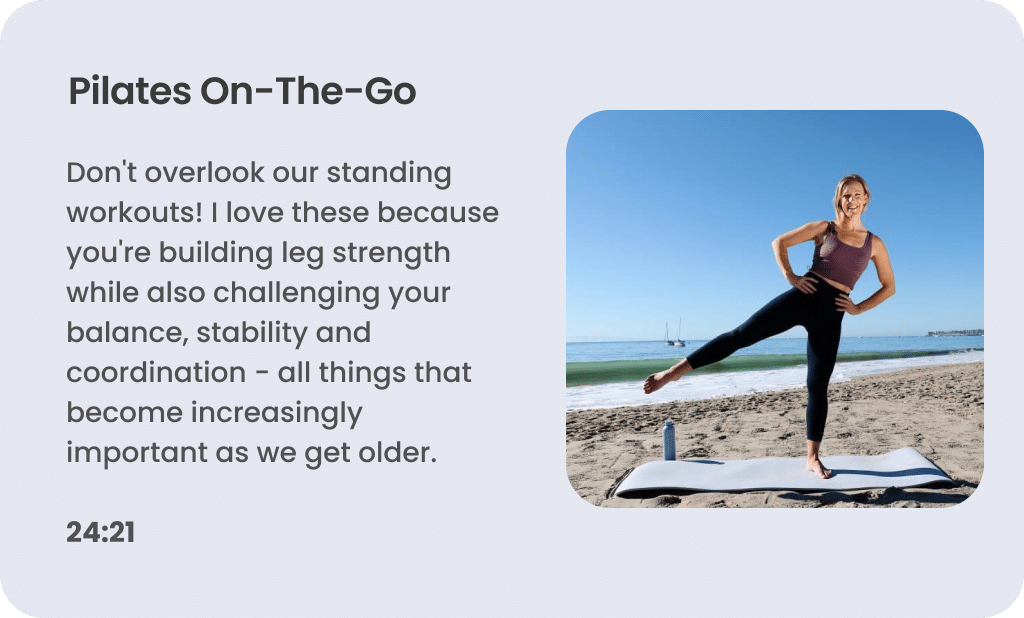
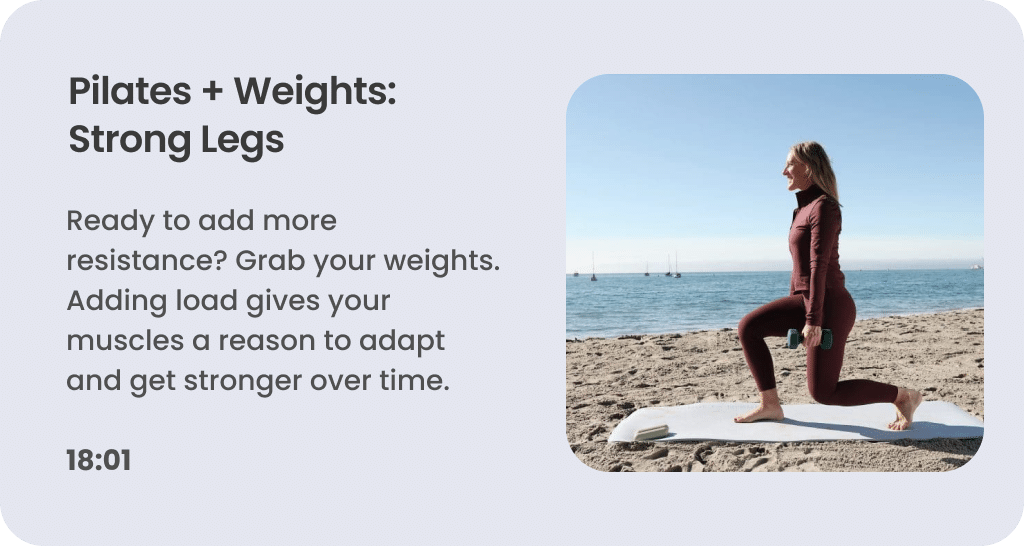
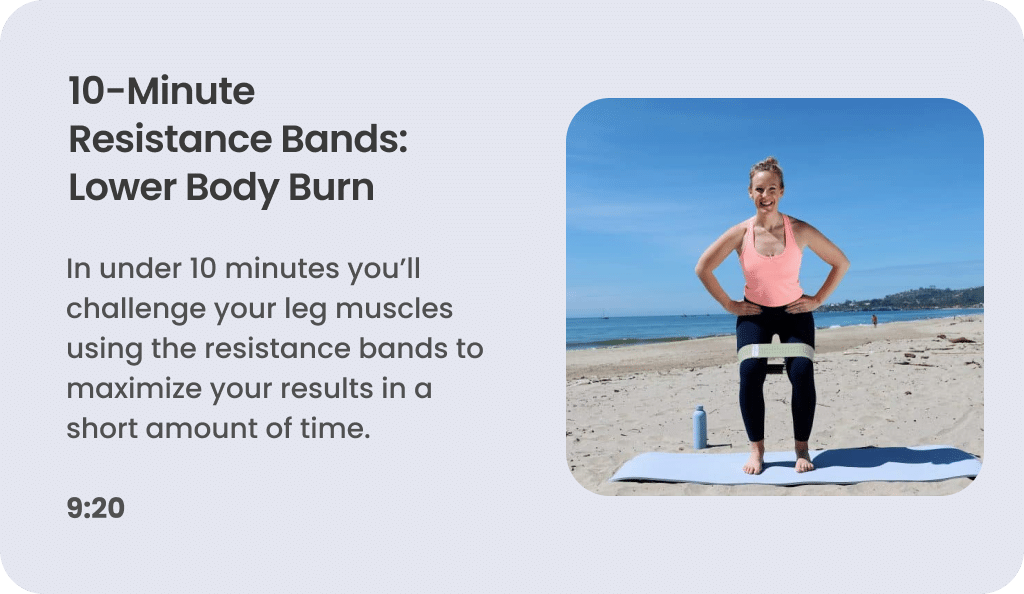
And remember: every time you get on your mat, you are building strength.
Every squat, lunge, bridge, standing series and slow, controlled repetition is an opportunity to challenge your muscles and as a result – impact your brain health too.
The key is to keep challenging yourself.
If a movement that used to feel difficult now feels easy, maybe you go a little deeper.
Add another repetition, pick up a heavier weight, choose a more challenging variation, or simply slow the movement down and really focus on control.
You don’t need to destroy your legs for a workout to “count.” You just want to keep giving your muscles a reason to get stronger.
So here’s my challenge for you this week:
Choose two workouts that intentionally challenge your legs.
You can head to the Legs, Standing or Weights categories in the Lindywell app and choose what feels good for you today.
** Did you see the new Progressive Strength series in the Lindywell app? It’s the perfect easy-to-follow plan to help you challenge your muscles consistently from the comfort of your own home. Start a free trial now and get started today.