

Someone asked me recently which health tests I’d recommend for women who want a clearer picture of their health.
And almost before I could answer, she followed up with: “I started looking into it online… and now I have a list of 47 things I’m apparently supposed to do.”
I get the overwhelm!
Between social media, podcasts, and well-meaning friends, it can feel like you need a never-ending list of tests if you want to take care of your health.
Gut microbiome tests, food sensitivity panels, genetic testing, continuous glucose monitors…all costing hundreds of dollars, some thousands, and most are not covered by insurance.
It’s a lot. And the truth is, going out and doing all of the testing, usually isn’t that helpful and isn’t the best use of your money.
After more than a decade of supporting women and many years navigating my own health and testing, I’ve found that more testing doesn’t always provide the clarity we’re after.
But there are 3 tests that I think are worth paying out of pocket for (and bonus: some may be covered by insurance):
1. Comprehensive Blood Work
This is the foundation and everyone deserves to get a full panel at least once a year.
So many women are walking around feeling tired, foggy, or just off, without realizing there might be something measurable contributing to how they feel.
Basic labs can reveal things like:
- vitamin D levels
- iron and ferritin (low iron is incredibly common and often missed)
- blood sugar markers like fasting insulin and A1C
- thyroid function
- cholesterol
- inflammation markers
What I love about blood work is that it often leads to clear, actionable next steps.
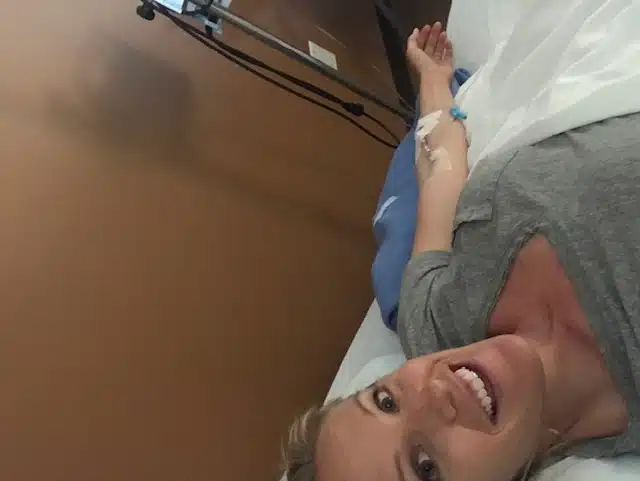
A few years ago I discovered my iron was low and addressing it made a noticeable difference in my energy. The same thing happened to a close friend of mine – she felt like a whole new person once she restored her iron levels.
Iron deficiency affects up to 1 in 3 women globally, yet it often goes undiagnosed because many doctors only look at hemoglobin and not ferritin levels (which indicates your iron reserves).
Start by asking your doctor for a comprehensive bloodwork panel and mention any specific symptoms you’re experiencing.
Interpreting your results:
Once you get your results, your doctor should schedule an appointment to walk you through the lab results and make a plan for support if needed.
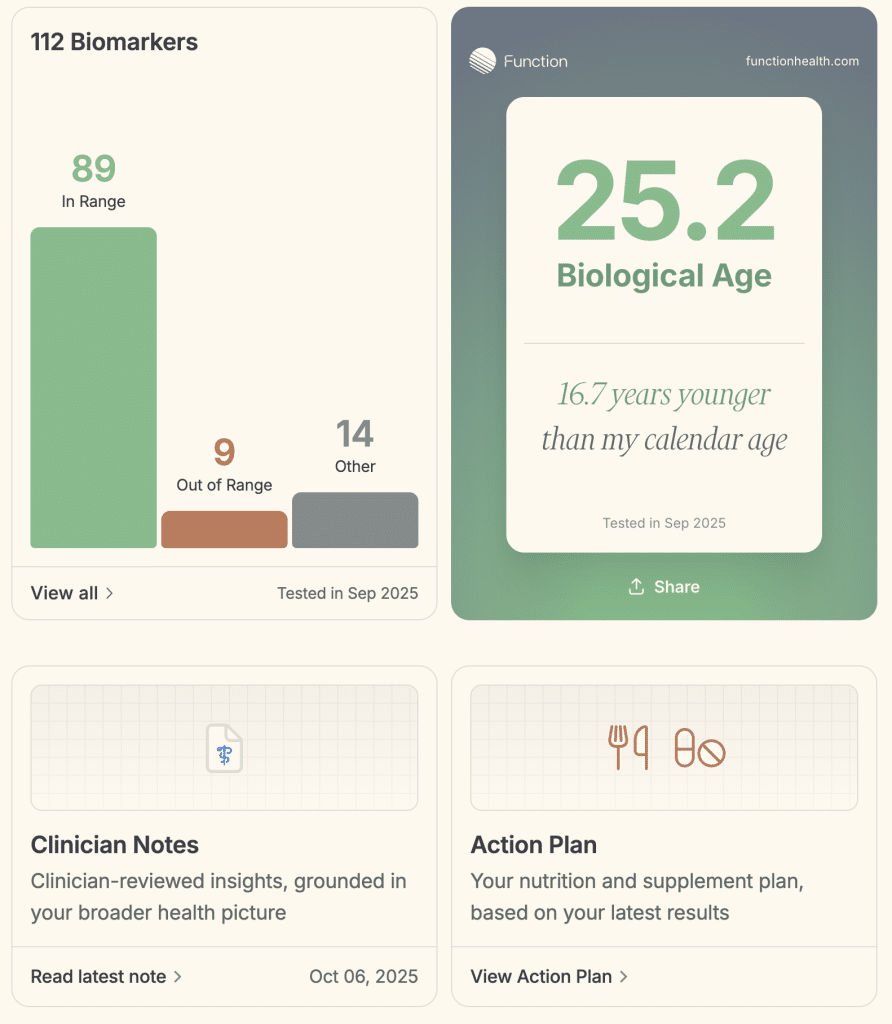
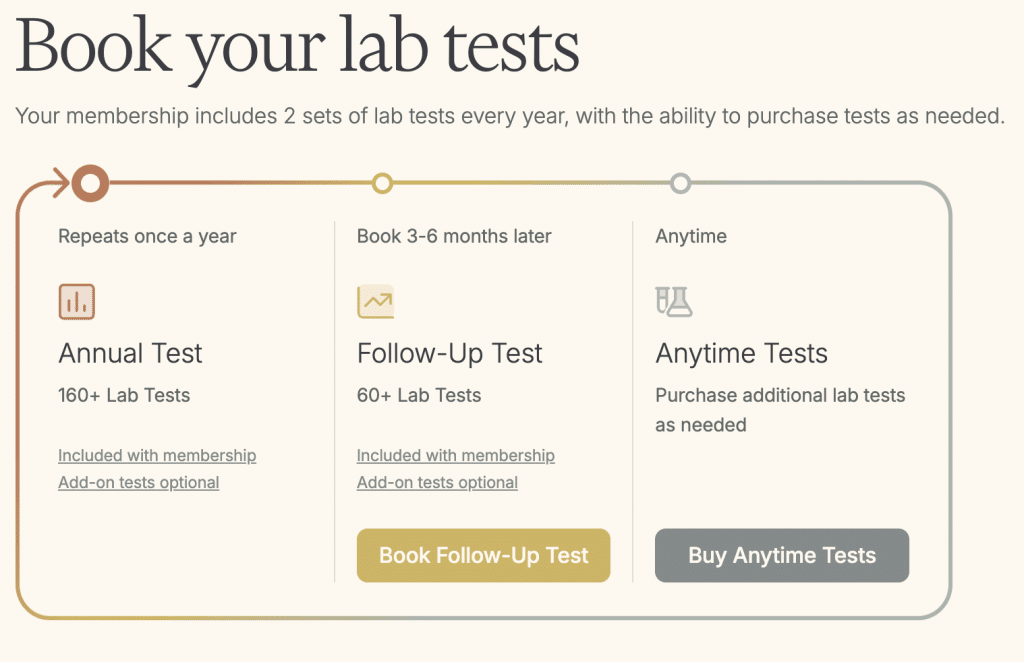
If that’s not accessible, something like Function Health (what my husband and I use) makes it easy to get comprehensive bloodwork done a few times per year, without seeing a doctor in person.
With the results you also receive notes from a clinician and an action plan with suggested supplements and protocols.
I found it very helpful to have my bloodwork already done and printed to bring to my annual OB/GYN appointment so that she could take a look at my bloodwork at the appointment. Efficient and helpful for both of us!
A quick note about hormones…
For women in their 40s and 50s, hormones are often the first thing people think about when something feels off (sleep changes, mood shifts, stubborn weight gain, irregular cycles).
Hormone testing can be helpful in certain situations, but it’s also an area where testing can quickly become confusing and expensive.
Hormone levels can be checked through bloodwork, but because hormones fluctuate daily (and throughout the month), a single blood test doesn’t always give a complete picture.
One option some practitioners use is the DUTCH Plus test, which measures hormone levels through saliva and urine samples. It can provide a deeper look at how your body is processing estrogen, progesterone, and cortisol and I’ve personally found it helpful in my own health journey.
That said, for many women, starting with foundational bloodwork and focusing on sleep, stress management, nutrition, and strength training can significantly support hormone balance before jumping into more specialized testing – which can be expensive and confusing to interpret on your own.
If symptoms persist, working with a functional medicine doctor to explore more advanced hormone testing can be a helpful next step – but I’d start a comprehensive bloodwork panel first.
2. A DEXA Scan
If there’s one test I wish more women in midlife knew about, it’s this one.
A DEXA scan measures:
- bone density
- muscle mass
- body composition
This information becomes increasingly important as we move through our 40s, 50s, and beyond.
Muscle and bone strength are two of the biggest factors in long-term health and independence, and yet most of us have no idea where we actually stand.
Women can lose up to 20% of their bone density in the 5–7 years following menopause, which is why understanding your baseline earlier can be so helpful.
Hormonal changes during menopause can create sudden changes in bone density so it’s worth it to keep an eye on your levels before the standard age of 65 when insurance usually kicks in.
Weight alone tells us very little about what’s actually happening inside our bodies. A DEXA scan gives you a much clearer picture and that clarity can allow you to make proactive changes.
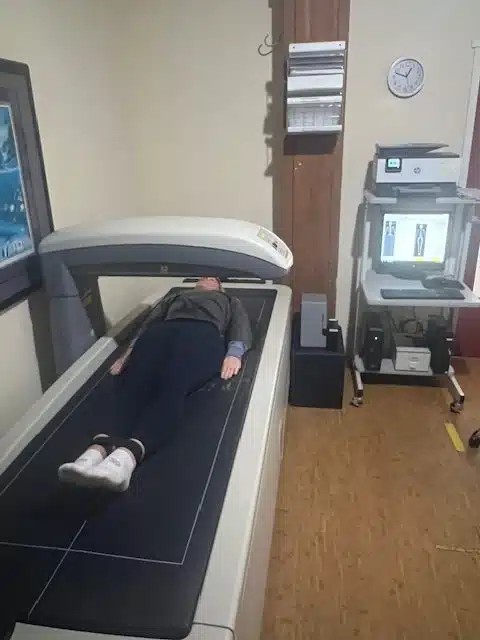
My insurance doesn’t cover it yet, so I pay $100 out of pocket once a year at a local clinic. The test takes about 20 minutes and is super simple. A quick search should help you find a provider near you.
How to interpret your results:
If a DEXA scan is covered by your provider, your doctor will review your results with you.
If you choose to go to a local clinic as I did, the technician will give you a clear print out of your results, walk you through them, and, while they are not able to provide an official diagnosis, they can let you know if they recommend you follow up with your doctor regarding a specific finding..
3. Advanced Heart Health Markers
Heart disease is still the number one cause of death in women and yet many of us don’t have a full picture of our cardiovascular health.
Two markers worth knowing about that go beyond basic cholesterol numbers: ApoB and Lp(a).
ApoB gives a more accurate picture of the particles in your blood that contribute to arterial plaque buildup.
Lp(a) is a genetic marker that can indicate higher cardiovascular risk over a lifetime (and most people only need to test it once).
These aren’t commonly discussed, but they can offer meaningful insight that a standard panel misses. This will help you look beyond just the cholesterol numbers to get a better understanding of your actual risk.
You can ask your doctor to add them to your bloodwork or include them through a service like Function Health.
(This is not sponsored, I’m a paying customer of Function Health, however I do have a refer-a-friend link if you’re interested in checking it out.)
Here’s what I really want you to hear as you take all of this in:
You are the most important advocate for your own health.
I know that can feel exhausting, especially when you’re already managing so much and it’s hard to know where to start.
But you are smart, you are intuitive, and you are more capable of navigating this than you might think. And Lindywell is here to support you. 💛
And remember, data is a helpful tool that can guide you and whatever you discover, you don’t have to overhaul everything overnight.
Simple lifestyle changes can have a significant and measurable impact.
The things we come back to again and again at Lindywell:
- moving consistently (and building strength)
- eating nourishing foods
- managing stress
- prioritizing sleep
- getting outside
- playing and connecting with people you love
Those habits aren’t glamorous and they don’t trend on social media. But I wrote an entire book about them because of how powerful they actually are.
Over time, these habits are the things that actually change your health.
At Lindywell we’re here to support you as you take control of your health, advocate for yourself and make foundational changes that serve you for years to come.
Note: If you want support and guidance on building these foundational habits, here are 3 ways I can support you:
Join the Lindywell app: start a free trial to get access to 450+ at-home workouts + nourishing recipes + breathwork to reduce stress and regulate your nervous system.
Check out my book: Well to the Core
Attend next week’s live Wellness Wednesday class: GLP-1s, Cravings & Your Metabolism: What Women Need to Know






1 thought on “3 Health Tests That Are Actually Worth the Cost”
I’m very happy I discovered your wellness program it has helped me through stress PTSD in the nursing profession shift work and menopause weight gain I feel I need to stick to my workouts at least few times a week and feel great with walking and jogging when able I’m 55